
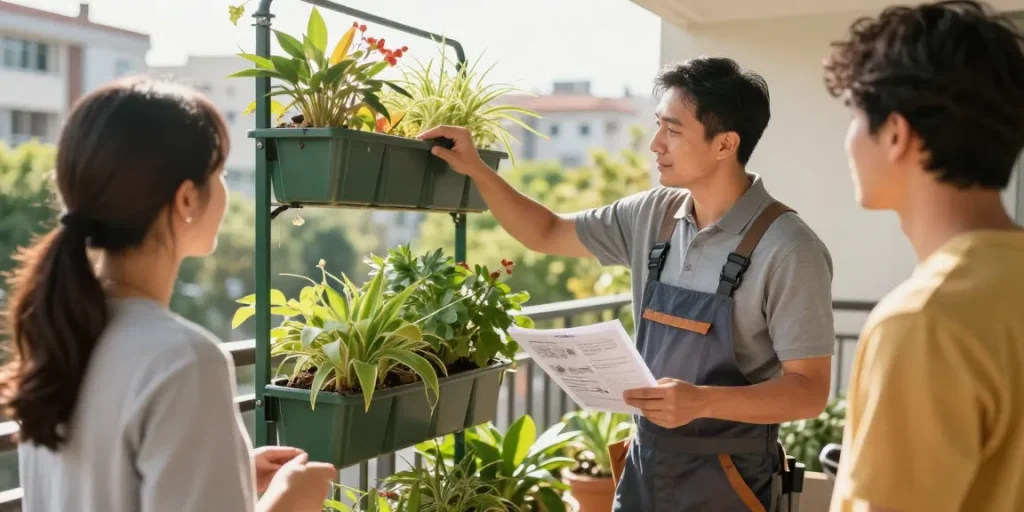
Creating a green oasis in the city is more achievable than ever, even for apartment dwellers with limited outdoor space. One attractive solution to urban gardening is a vertical garden on the balcony. With this innovative gardening technique, you can maximize your space, enhance your environment, and even grow your own fresh produce right at home. If you dream of having your own mini-garden filled with herbs, vegetables, or colorful flowers, you’ll discover that a vertical garden not only beautifies your living area but can also provide immense satisfaction and delicious results.
What is a Vertical Garden on the Balcony?
A vertical garden on the balcony is essentially a system that utilizes vertical space to grow plants upwards, rather than outwards. This approach is particularly useful for apartment dwellers and small homes with limited outdoor areas. Vertical gardens rely on structures like wall-mounted planters, shelves, pallets, or specially designed modular kits. Not only do they allow plants to flourish in confined spaces, but they also create an attractive backdrop for relaxation and enjoyment on your balcony. When exploring options, vertical garden on the balcony provides comprehensive insights into designing your garden effectively.
Definition and Concept Overview
Vertical gardening revolves around the idea of growing plants against a vertical framework. This approach maximizes limited horizontal space and can be tailored to fit various balcony sizes and orientations. It’s an efficient technique that can transform an ordinary balcony into a vibrant urban garden.
Benefits of Vertical Gardening for Urban Dwellers
Urban dwellers often face challenges in finding sufficient gardening space. Vertical gardening offers numerous benefits:
- Space Efficiency: By utilizing vertical structures, you can grow a variety of plants without needing ample ground space.
- Aesthetic Appeal: Colorful plants can enhance the overall look of your balcony, making it a cozy retreat.
- Environmental Impact: Vertical gardens can improve air quality, reduce noise pollution, and promote biodiversity in urban settings.
Types of Vertical Garden Structures and Systems
There are several vertical gardening systems available, ranging from simple DIY solutions to commercially produced kits. Options include:
- Pallet Gardens: Reclaimed wooden pallets can serve as an economical and rustic option for vertical planting.
- Wall-Mounted Planters: Designed for stability, these planters can be arranged in various shapes and configurations.
- Modular Kits: These kits often come with pre-made structures and plant containers, making installation easier for beginners.
Advantages of a Vertical Garden on Your Balcony
When considering adding a vertical garden to your balcony, it’s essential to understand the multitude of advantages it brings:
Maximizing Space and Aesthetic Value
Vertical gardens allow for more efficient use of space. By growing upwards, you can fit several plants in what would otherwise be empty wall space. The aesthetic appeal of green walls or hanging gardens can turn an uninspired balcony into a vibrant living area, generating a sense of tranquility and connection to nature.
Environmental Benefits and Urban Sustainability
Urban environments can be significantly improved through vertical gardens. They absorb pollution, produce oxygen, and help manage rainwater run-off by absorbing rainfall through their plants and soil. Vertical gardening also reduces the urban heat island effect and encourages biodiversity by providing habitat for pollinators and other wildlife.
Health and Wellness from Homegrown Produce
Growing your own produce not only ensures access to fresh and healthy food but also eliminates the use of harmful pesticides. Home-grown herbs and vegetables can enhance meal quality and promote a healthier lifestyle, all while providing a satisfying gardening experience.
Steps to Create Your Vertical Garden on the Balcony
Creating a vertical garden is straightforward and can be accomplished through the following steps:
Planning Your Garden Layout Effectively
Prior to beginning your vertical garden project, it’s crucial to plan your layout. Consider the amount of sunlight your balcony receives, as most vegetables and herbs require 4-5 hours of direct sunlight daily. Additionally, plan for easy access to water and movement around your balcony.
Selecting the Right Plants for Different Conditions
Choose plants based on the light conditions of your balcony. Thirsty and sun-loving plants like cherry tomatoes and strawberries thrive in full sun, while herbs like parsley and mint can do well in partial shade. Always consider the growth habits of the plants you choose, ensuring that taller plants do not overshadow their shorter companions.
Implementing Efficient Watering Systems
Watering can be a challenge for balcony gardens, especially for those with limited time for daily maintenance. A drip irrigation system is a wise investment that can reduce manual watering time and ensure your plants receive consistent moisture, promoting healthy growth.
Choosing the Right Modular Vertical Garden Kit
When selecting a modular vertical garden kit, consider the following factors to ensure you find the right fit for your needs:
Factors to Consider Before Purchase
- Space: Measure your balcony and consider how high and wide your vertical garden can be.
- Stability: Ensure the structure you choose can withstand wind and weight from the plants and soil.
- Material: Look for materials that are durable and suited for outdoor use, such as treated wood or weather-resistant plastics.
Comparing DIY Solutions vs. Professional Kits
DIY solutions can be cost-effective and customizable, but professional kits often come with the added benefit of ease of assembly and guaranteed quality. Depending on your experience level and budget, explore both options to see which aligns with your vision.
Estimates and Pricing for Different Kits
Prices for vertical garden kits can vary widely based on size, material, and complexity. Expect costs to range from $30 for simple DIY solutions to over $150 for high-quality modular kits. Investing in a reliable kit can save you time and effort in the long run.
Maintenance and Troubleshooting for Your Vertical Garden
Maintaining a vertical garden requires regular attention, but it also allows for quick troubleshooting when issues arise. Here are some tips for successful management:
Common Mistakes to Avoid for Success
- Overwatering: Potted plants tend to dry out faster and are more susceptible to root rot; consistent monitoring is crucial.
- Poor Plant Selection: Not all plants are suited for vertical gardening; choose varieties that can thrive in your specific conditions.
- Neglecting Maintenance: Plan for regular checks on plant health, soil conditions, and pest management to keep your garden thriving.
Seasonal Care Tips for Urban Gardens
Seasonal changes can significantly impact your vertical garden. In summer, keep an eye on temperature and moisture levels to prevent dehydration. During winter, consider providing additional protection against frost, which can damage sensitive plants. Regularly assessing these factors will keep your garden productive year-round.
How to Evaluate Plant Health and Productivity
Regularly check the leaves of your plants for signs of wilting, discoloration, or pest activity. Healthy plants should grow vigorously and produce flowers or fruits as expected based on their growth cycles. Adjust your care practices as needed to promote optimal health and yield.
Frequently Asked Questions
How much sun does a vertical garden on the balcony need?
Most vegetables and herbs need around 4–5 hours of direct sunlight daily. If your balcony is shaded, opt for shade-tolerant plants like leafy greens and certain herbs.
Which plants are best for a vertical garden?
Great options include basil, cherry tomatoes, lettuce, strawberries, and ornamental plants. Choose based on your culinary preferences and available light conditions.
What materials are ideal for vertical gardening structures?
Look for weather-resistant materials such as wood treated for outdoor use, recycled plastics, or treated metal that can withstand the elements while supporting plant growth.